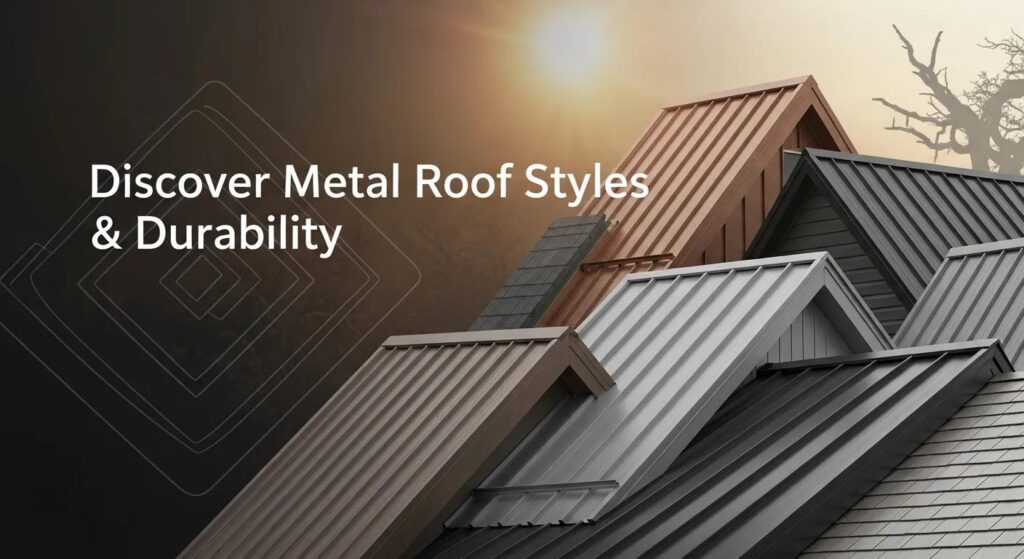
Benefits of Metal Roofing
Metal roofing offers numerous advantages for homeowners, including exceptional durability and longevity compared to traditional roofing materials. This type of roofing can withstand extreme weather conditions, such as heavy rain, snow, and high winds, making it a reliable choice for various climates.
In addition to durability, metal roofs are energy-efficient, reflecting solar heat and reducing cooling costs during hot months. Many metal roofing options are also made from recycled materials, making them an environmentally friendly choice that can enhance the overall sustainability of your home.
Common Types of Metal Roofing Materials
There are several types of metal roofing materials available, including aluminum, steel, and copper, each offering unique characteristics and benefits. Aluminum roofing is lightweight and resistant to corrosion, ideal for coastal areas, while steel roofing is known for its strength and affordability.
Copper roofing, although more expensive, provides a stunning aesthetic appeal that can enhance the value of a home. Understanding the differences between these materials can help homeowners make informed decisions based on their specific needs and budget.
Installation Process for Metal Roofs
The installation of metal roofs requires specialized skills and knowledge to ensure a proper fit and finish. It typically involves removing existing roofing materials, repairing any underlying damage, and then installing the metal panels in a way that allows for proper drainage and ventilation.
Professional roofing contractors, like Done Right Roofing, are equipped to handle the complexities of metal roof installation, ensuring that the job is done correctly and efficiently. Proper installation not only enhances the roof's performance but also extends its lifespan, making it a worthwhile investment.
Maintenance Tips for Metal Roofing
While metal roofs are low-maintenance compared to other roofing types, regular inspections and maintenance are essential to prolong their lifespan. Homeowners should periodically check for loose screws, rust, or any signs of wear and tear, particularly after severe weather events.
Cleaning the roof to remove debris and ensuring that gutters are clear of blockages can also prevent water damage and enhance the roof's efficiency. With minimal upkeep, metal roofs can last 40 years or more, making them a smart choice for long-term home protection.