
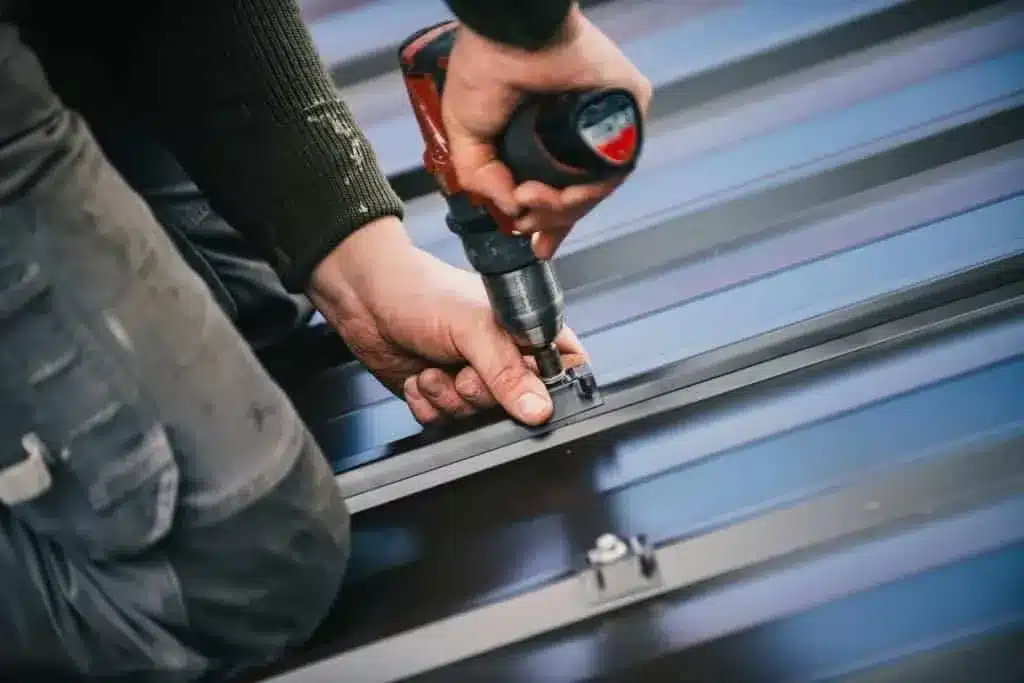
Choosing the right roofing material is a crucial decision for homeowners, as it impacts both the aesthetic appeal and long-term durability of a property. Metal roofing and asphalt roofing are two popular options, each with its unique set of advantages and disadvantages. This article will explore the key pros and cons of both roofing types, helping homeowners make informed decisions based on their specific needs and preferences. By understanding the differences in durability, cost, maintenance, and energy efficiency, you can better assess which roofing solution aligns with your goals. We will also discuss the benefits of each material, installation considerations, and how they compare in terms of lifespan and overall value.
Pros and Cons of Metal Roofing vs. Asphalt Roofing
When considering roofing options, it’s essential to weigh the pros and cons of metal and asphalt roofing. Each material has distinct characteristics that can influence your choice based on factors like climate, budget, and personal preference.
Metal Roofing:
Metal roofing systems are known for their durability and longevity. They can last between 40 to 70 years, making them a long-term investment for homeowners. Additionally, metal roofs are highly energy-efficient, reflecting solar radiation and reducing heat absorption, which can lead to lower energy bills. Their aesthetic options are diverse, ranging from sleek modern designs to traditional styles, allowing homeowners to choose a look that complements their property. However, the initial installation cost of metal roofing can be higher than asphalt, which may deter some homeowners.
Asphalt Roofing:
Asphalt shingle roofing is often favored for its cost-effectiveness and ease of installation. The initial costs are generally lower, with installation prices ranging from $3.00 to $6.00 per square foot. Asphalt roofs typically last between 15 to 30 years, which is shorter than metal roofs but still provides a reasonable lifespan for many homeowners. They are available in a variety of styles and colors, making them a popular choice for residential properties. However, asphalt roofing may require more frequent maintenance and inspections compared to metal options, which can add to long-term costs.
Conclusion:
In summary, both metal and asphalt roofing have their advantages and disadvantages. Metal roofing offers superior durability and energy efficiency, while asphalt roofing provides a more budget-friendly option with a variety of styles. Homeowners should consider their specific needs, local climate, and long-term goals when making a decision.
What Are the Main Benefits of Metal Roofing Compared to Asphalt Shingles?
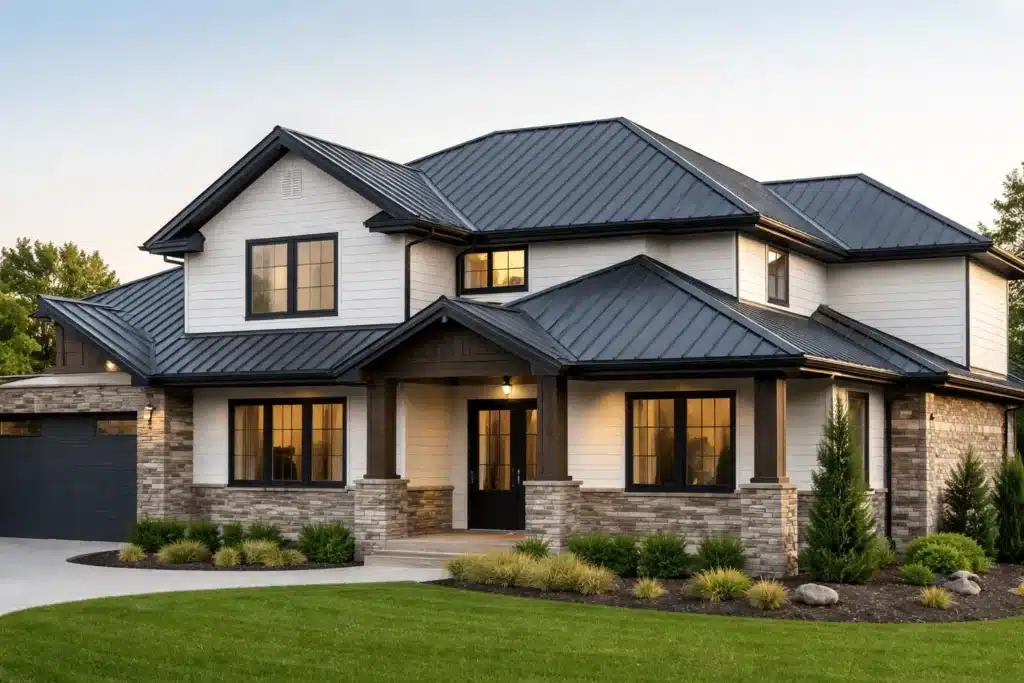
Metal roofing provides several key benefits over asphalt shingles. Firstly, its durability is unmatched, with a lifespan of 40 to 70 years, significantly outlasting asphalt shingles, which typically last 15 to 30 years. Secondly, metal roofs are energy-efficient, reflecting solar radiation and potentially reducing energy bills by 10-25%. Lastly, they require minimal maintenance, making them a hassle-free option for homeowners.
How Does Metal Roofing Offer Durability and Long-Term Protection?
Metal roofing is constructed from materials such as steel, aluminum, and copper, which contribute to its exceptional durability. The design features, such as standing seam constructions, enhance water shedding and prevent leaks. Additionally, many metal roofs come with warranties ranging from 20 to 50 years, providing homeowners with peace of mind regarding their investment.
Further insights into the engineering and design considerations for metal roofing systems highlight their advanced construction and performance.
Advances in Metal Roofing Systems: Design & Thermal Performance
The Army has used metal roofing systems for many years with great success. In the past, flat sheets were fabricated and seamed by hand at the jobsite. Recently, however, several new systems have been developed for which metal panels are prefabricated, shipped to the construction site, and assembled using new techniques. Current Corps of Engineers Guide Specifications are outdated with respect to these new products. The design and method of application differ among products still, any system to be used in Army construction must meet critical design criteria. In particular, the system as applied must allow for thermal expansion and contraction with changes in ambient conditions, and the Guide Specifications will have to be edited to reflect this. This report compares the features of several metal roofing systems on todays market.
Investigation of Standing Seam Metal Roofing., 1986
What Energy Efficiency Advantages Does Metal Roofing Provide?
One of the standout features of metal roofing is its reflective properties. By reflecting solar radiation, metal roofs can significantly lower cooling costs during hot months. This energy efficiency not only benefits homeowners financially but also contributes to a reduced environmental impact, as less energy consumption leads to lower greenhouse gas emissions. Furthermore, many metal roofing materials are made from recycled content, adding to their eco-friendly appeal.
What Are the Advantages of Asphalt Roofing for Residential Properties?
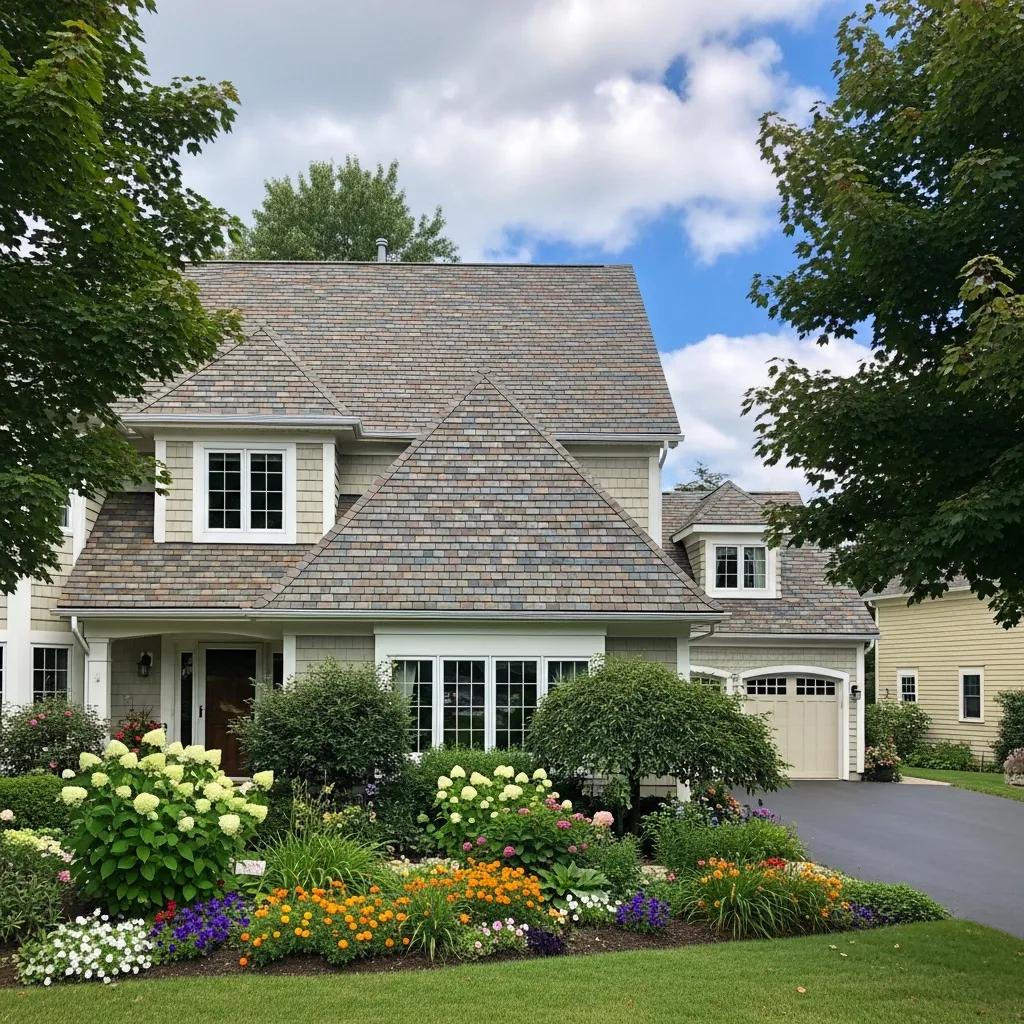
Asphalt roofing is particularly advantageous for residential properties due to its cost-effectiveness and moderate climate performance. The initial installation costs are lower than metal roofing, making it accessible for budget-conscious homeowners. Additionally, asphalt shingles perform adequately in various weather conditions, providing reliable protection against the elements. Their wide range of styles and colors also allows homeowners to customize their roofs to match their home’s aesthetic.
How Does Asphalt Roofing Offer Cost-Effective Installation and Maintenance?
The cost-effectiveness of asphalt roofing is evident in its installation and maintenance. Installation costs typically range from $3.00 to $6.00 per square foot, making it a more affordable option upfront. While asphalt roofs may require more frequent repairs and inspections, they are generally easier to repair than metal roofs, which can save homeowners time and money in the long run.
What Makes Asphalt Shingles a Popular Choice for Central Iowa Homeowners?
Asphalt shingles are a popular choice for Central Iowa homeowners due to their affordability and ease of repair. They perform adequately in the region’s variable weather conditions, providing reliable protection against rain, snow, and wind. Additionally, the variety of styles and colors available allows homeowners to select shingles that enhance their home’s curb appeal.
How Do Metal and Asphalt Roofing Compare in Cost and Lifespan?
When comparing metal and asphalt roofing, the cost and lifespan are critical factors. Metal roofing typically costs between $5.00 to $12.00 per square foot, while asphalt roofing ranges from $3.00 to $6.00 per square foot. In terms of lifespan, metal roofs can last 40 to 70 years, whereas asphalt roofs generally last 15 to 30 years. This significant difference in longevity can influence the overall value of each roofing type.
What Are the Typical Installation and Maintenance Costs for Metal vs. Asphalt Roofing?
The installation and maintenance costs for metal and asphalt roofing vary significantly. Metal roofing installation costs range from $5.00 to $12.00 per square foot, while asphalt roofing installation costs range from $3.00 to $6.00 per square foot. Additionally, metal roofs require less frequent maintenance, which can lead to lower long-term costs compared to asphalt roofs that may need more regular inspections and repairs.
How Long Can Homeowners Expect Metal and Asphalt Roofs to Last?
Homeowners can expect metal roofing to last between 40 to 70 years, making it a long-term investment. In contrast, asphalt shingles typically last 15 to 30 years. Factors affecting durability include material composition, installation quality, and local climate conditions, which can influence the lifespan of both roofing types.
What Should Homeowners Consider About Installation, Maintenance, and Warranty Options?
When considering roofing options, homeowners should evaluate the installation process, maintenance requirements, and warranty options. Metal roofing often involves a more complex installation process, which can affect labor costs. Maintenance requirements differ, with metal roofs needing less frequent upkeep. Warranty options also vary, with metal roofs typically offering longer warranties than asphalt shingles.
What Is the Installation Process and Timeline for Metal and Asphalt Roofs?
The installation process for both metal and asphalt roofs involves several steps, including removing the old roofing material, preparing the roof deck, and installing the new roofing system. The timeline for installation can vary based on the roofing type and the complexity of the project. Generally, asphalt roofing can be installed more quickly than metal roofing due to its simpler installation process.
How Do Maintenance Requirements Differ Between Metal and Asphalt Roofing?
Maintenance requirements for metal and asphalt roofing differ significantly. Metal roofs require minimal maintenance, typically only needing occasional inspections and cleaning to remove debris. In contrast, asphalt roofs may require more frequent inspections and repairs, particularly after severe weather events, to ensure their longevity and performance.
What Warranty and Resale Value Benefits Are Offered for Each Roofing Type?
Both metal and asphalt roofing offer warranty and resale value benefits. Metal roofs often come with longer warranties, ranging from 20 to 50 years, which can enhance their resale value. Asphalt shingles typically have shorter warranties, but their lower initial costs can make them appealing to budget-conscious buyers. Homeowners should consider these factors when evaluating the long-term value of their roofing investment.
For homeowners in Central Iowa looking for reliable roofing services, New Roof Iowa offers expert installation and maintenance for both metal and asphalt roofing systems.