
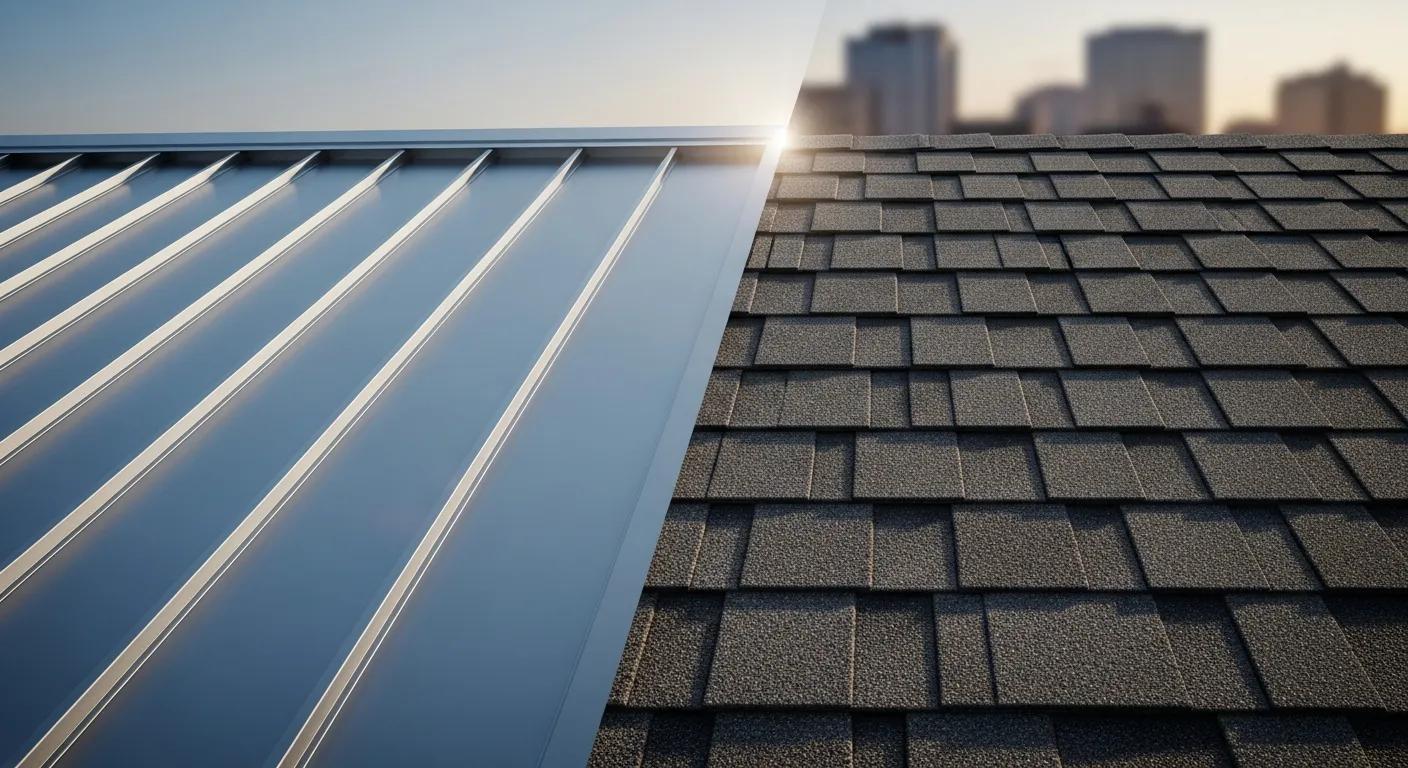
Metal vs. Asphalt Roofing: Key Insights
Choosing the right roofing material is crucial for homeowners, especially in regions like Central Iowa where weather conditions can be extreme. Metal and asphalt roofing are two popular options, each with distinct characteristics that can significantly impact durability, cost, and energy efficiency. This article explores the key differences between metal and asphalt roofing, helping you make an informed decision for your home. We delve into the benefits of metal roofing, the performance of asphalt shingles, and how local climate factors into your choice. Additionally, we provide insights into cost comparisons and maintenance tips to ensure your roofing investment lasts.
The Key Differences Between Metal and Asphalt Roofing to Consider
When comparing metal and asphalt roofing, several key differences emerge that can influence your decision. These include:
- Cost Differences: Metal roofing typically has a higher upfront cost compared to asphalt shingles, but it can offer long-term savings due to its durability and energy efficiency.
- Durability Comparison: Metal roofs are known for their longevity and resistance to severe weather, while asphalt shingles may require more frequent repairs and replacements.
- Energy Efficiency: Metal roofing reflects sunlight, which can lead to lower energy bills, whereas asphalt shingles absorb heat, potentially increasing cooling costs.
Understanding these differences is essential for homeowners looking to invest in a roofing system that meets their needs and budget.
Main Benefits of Metal Roofing for Central Iowa Homes
Metal roofing offers several advantages that make it an appealing choice for homeowners in Central Iowa:
- Durability Against Severe Weather: Metal roofs can withstand high winds, heavy snow, and hail, making them ideal for the region’s unpredictable weather.
- Energy Efficiency: The reflective properties of metal roofing reduce heat absorption, leading to lower energy costs during hot summer months.
- Low Maintenance Needs: Metal roofs require minimal maintenance compared to asphalt shingles, which can deteriorate over time and need regular repairs.
These benefits highlight why many homeowners are opting for metal roofing as a long-term investment.
How Metal Roofing Provides Long-Term Durability and Protection
Metal roofing is designed to last, often exceeding 50 years with proper installation and maintenance. Its durability stems from several factors:
- Longevity of Metal Roofs: Unlike asphalt shingles, which may last 15-30 years, metal roofs can endure for decades without significant wear.
- Weather Resistance: Metal roofs resist rust, corrosion, and extreme temperatures, ensuring they maintain their integrity over time.
- Low Maintenance: With fewer vulnerabilities to damage, metal roofs require less frequent inspections and repairs, saving homeowners time and money.
This combination of features makes metal roofing a reliable choice for homeowners seeking long-term protection.
Energy Efficiency Advantages of Metal Roofing
Metal roofing provides significant energy efficiency benefits that can lead to substantial savings on utility bills:
- Reflective Properties: Metal roofs reflect solar radiation, reducing heat absorption and keeping homes cooler in the summer.
- Energy Savings: Homeowners can experience lower cooling costs, especially in warmer months, due to the reduced heat transfer.
- Compatibility with Insulation: Metal roofs can be installed with additional insulation, further enhancing their energy efficiency.
These advantages make metal roofing an environmentally friendly option that contributes to lower energy consumption.
Further research supports the significant energy-saving potential of metal roofs compared to traditional asphalt shingles.
Metal vs. Asphalt Roof Energy Savings
All the tested roofs showed the potential for substantial energy savings compared to an asphalt shingle roof, which was used as a control for comparison.
A study of the energy-saving potential of metal roofs incorporating dynamic insulation systems, K Biswas, 2012
Pros and Cons of Asphalt Shingle Roofing
Asphalt shingles are a widely used roofing material, and they come with their own set of advantages and disadvantages:
Pros:
- Cost-Effectiveness: Asphalt shingles are generally less expensive to install than metal roofing, making them a popular choice for budget-conscious homeowners.
- Moderate Climate Performance: They perform adequately in various weather conditions, providing decent protection against rain and wind.
- Variety of Styles: Asphalt shingles come in a range of colors and styles, allowing homeowners to customize their roofs to match their home’s aesthetic.
Cons:
- Higher Maintenance Needs: Asphalt shingles may require more frequent repairs and replacements, especially in harsh weather conditions.
- Shorter Lifespan: Typically lasting 15-30 years, asphalt shingles do not offer the same longevity as metal roofing.
- Energy Inefficiency: Asphalt shingles absorb heat, which can lead to higher cooling costs during the summer months.
Understanding these pros and cons helps homeowners weigh their options effectively.
Asphalt Roofing Performance in Terms of Cost and Maintenance
Asphalt roofing is often chosen for its affordability, but it’s essential to consider both initial costs and long-term maintenance:
- Initial Cost vs Long-Term Costs: While asphalt shingles are cheaper to install, their shorter lifespan may result in higher long-term costs due to frequent replacements.
- Maintenance Frequency: Homeowners should inspect and maintain asphalt roofs regularly to address issues like curling, cracking, and algae growth.
- Repair Needs: Common repairs for asphalt shingles include replacing damaged or missing shingles, which can add to overall maintenance costs.
These factors highlight the importance of considering both upfront and ongoing expenses when choosing asphalt roofing.
Typical Lifespan and Repair Needs of Asphalt Shingles
Asphalt shingles typically have a lifespan of 15-30 years, depending on the quality of the materials and local weather conditions. Key points include:
- Typical Lifespan: Standard asphalt shingles last about 20 years, while higher-quality options can last up to 30 years.
- Common Repair Needs: Homeowners may need to replace individual shingles due to damage from wind, hail, or UV exposure, which can lead to leaks if not addressed promptly.
Understanding the lifespan and repair needs of asphalt shingles helps homeowners plan for future maintenance and replacement.
Cost Comparison of Metal and Asphalt Roofing for Central Iowa Properties
When evaluating roofing options for Central Iowa properties, cost is a significant factor. Here’s a comparison:
- Average Costs for Both Materials: Metal roofing can range from $5.00 to $12.00 per square foot, while asphalt shingles typically cost between $3.00 and $5.00 per square foot.
- Long-Term Savings of Metal Roofing: Although the initial investment for metal roofing is higher, its durability and energy efficiency can lead to lower overall costs over time.
This cost analysis underscores the importance of considering both initial and long-term expenses when selecting roofing materials.
Installation and Maintenance Cost Differences
The installation and maintenance costs of roofing materials can vary significantly:
- Installation Costs: Metal roofing installation is generally more expensive due to the complexity of the materials and the need for specialized labor. Asphalt shingles are easier to install, resulting in lower labor costs.
- Maintenance Frequency: Metal roofs require less frequent maintenance compared to asphalt shingles, which may need regular inspections and repairs.
These differences can impact the overall budget for homeowners considering new roofing.
Local Factors Affecting Roofing Costs in Central Iowa
Several local factors can influence roofing costs in Central Iowa:
- Extent of Damage: The condition of the existing roof can affect the cost of replacement, with more extensive damage leading to higher expenses.
- Material Prices: Fluctuations in the prices of roofing materials can impact overall costs, making it essential to stay informed about market trends.
- Labor Costs: Local labor rates can vary, affecting the total installation cost for roofing projects.
Being aware of these factors helps homeowners better prepare for their roofing investments.
How Local Climate Influences the Choice Between Metal and Asphalt Roofing
The local climate plays a crucial role in determining the best roofing material for your home:
- Weather Resistance: Metal roofing is highly resistant to extreme weather conditions, making it suitable for areas prone to heavy snow and high winds.
- Snow and Ice Management: Metal roofs allow snow to slide off easily, reducing the risk of ice dams that can damage asphalt shingles.
Considering local climate conditions is essential for selecting a roofing material that will perform well over time.
Weather Conditions Affecting Metal Roofing Performance
Metal roofing is designed to withstand various weather conditions, but certain factors can impact its performance:
- Extreme Weather Resistance: Metal roofs can endure high winds, heavy rain, and hail without significant damage.
- Temperature Fluctuations: Metal expands and contracts with temperature changes, which can affect the integrity of the roof if not properly installed.
Understanding these weather-related factors helps homeowners choose the right roofing material for their specific environment.
How Asphalt Roofing Holds Up Against Central Iowa Weather
Asphalt roofing can perform adequately in Central Iowa’s climate, but it has limitations:
- Durability Against Hail and Wind: While asphalt shingles can withstand moderate weather, they may be more susceptible to damage from severe storms compared to metal roofing.
- Maintenance Needs: Homeowners may need to address issues like curling and cracking more frequently, especially after harsh weather events.
These considerations are vital for homeowners evaluating the suitability of asphalt roofing in their area.
Maintenance Tips for Metal and Asphalt Roofs
Proper maintenance is essential for extending the lifespan of both metal and asphalt roofs. Here are some key tips:
- Regular Inspections: Homeowners should inspect their roofs at least twice a year to identify any potential issues early.
- Cleaning Tips: Keeping roofs clean from debris, leaves, and moss can prevent damage and prolong their lifespan.
- Professional Maintenance: Engaging a professional for periodic maintenance helps ensure that roofs remain in good condition.
These maintenance practices help homeowners protect their roofing investments.
Maintaining Metal Roofing for Longevity and Reliability
Maintaining metal roofing involves specific practices to ensure its longevity:
- Regular Inspections: Check for loose panels, rust, or damage after severe weather events.
- Cleaning and Repairs: Remove debris and clean gutters to prevent water buildup, which can lead to corrosion.
By following these maintenance tips, homeowners can maximize the lifespan and reliability of their metal roofs.
Effective Asphalt Roofing Maintenance Practices
To keep asphalt roofing in good condition, homeowners should consider the following practices:
- Regular Inspections: Look for signs of wear, such as curling or missing shingles, and address them promptly.
- Gutter Maintenance: Ensure gutters are clear of debris to prevent water damage and ice dams.
Implementing these practices helps homeowners maintain the integrity of their asphalt roofs.
Request a Free Estimate and Ensure Quality Installation
Requesting a free estimate is a straightforward process that helps homeowners make informed decisions:
- Online Form Submission: Many roofing companies, including Done Right Roofing and Exteriors, offer online forms for easy estimate requests.
- Contact Options: Homeowners can also reach out via phone or email to discuss their roofing needs and receive personalized quotes.
Process for Getting a Free, No-Pressure Roofing Quote
Obtaining a free roofing quote typically involves a few simple steps:
- Website Navigation: Visit the roofing company’s website to find the estimate request section.
- Form Completion: Fill out the required information, including details about your current roof and desired materials.
This straightforward process allows homeowners to explore their options without any pressure.
How Done Right Roofing Guarantees Quality and Customer Satisfaction
Done Right Roofing and Exteriors is committed to providing high-quality roofing solutions backed by a strong guarantee:
- 25-Year Full Warranty: This warranty covers both materials and workmanship, ensuring peace of mind for homeowners.
- Customer Satisfaction Commitment: The company prioritizes customer satisfaction, striving to exceed expectations with every project.
This commitment to quality and service sets Done Right Roofing apart in the competitive roofing market.