
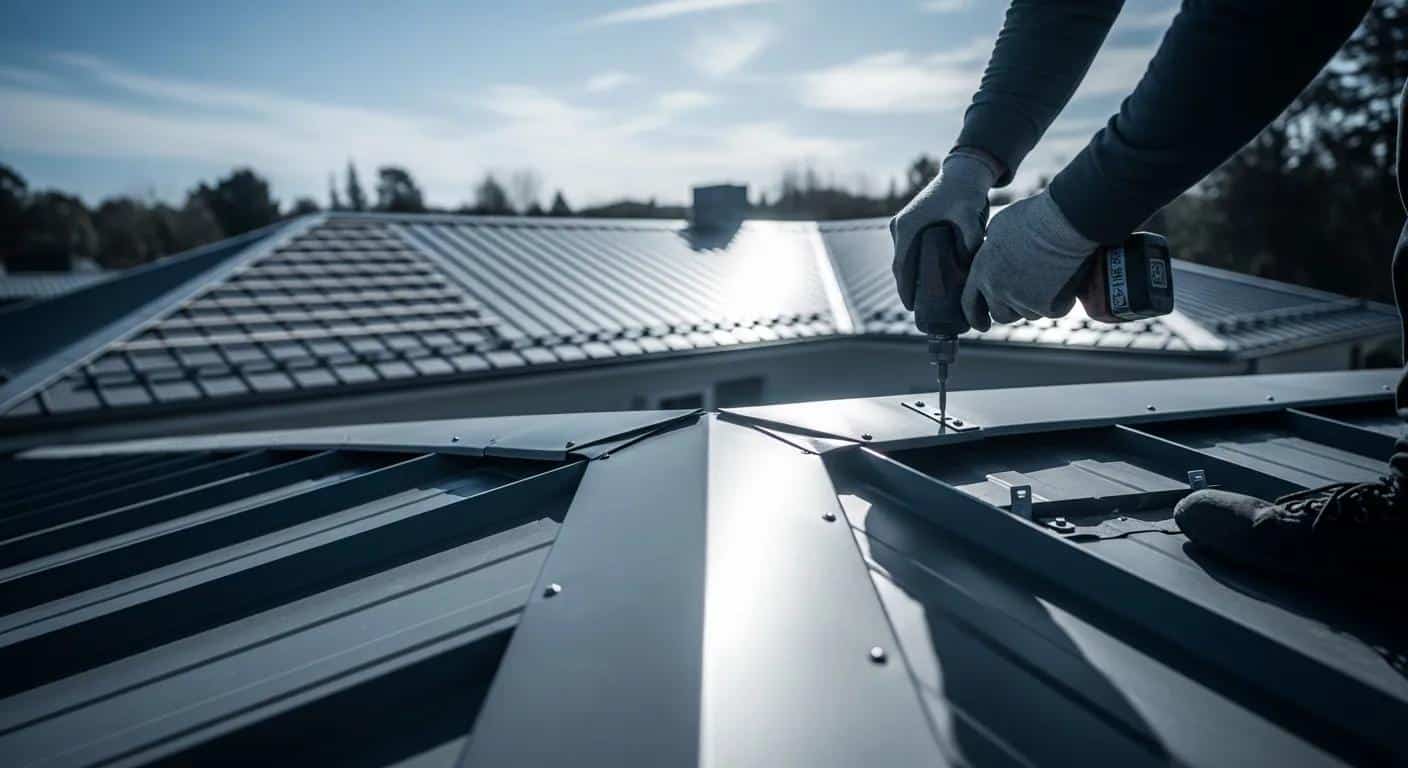
Metal roofing has gained popularity in Des Moines due to its durability, energy efficiency, and aesthetic appeal. This comprehensive guide will explore the essential aspects of metal roofing installation, including its benefits, types of materials, installation processes, costs, and maintenance. Homeowners and business owners alike often face challenges when selecting the right roofing solution that can withstand the local climate while providing long-term value. By understanding the intricacies of metal roofing, you can make informed decisions that enhance your property’s resilience and energy efficiency. This article will cover the key benefits of metal roofing, the best materials for Des Moines properties, the installation process, cost considerations, maintenance tips, and the differences between commercial and residential solutions.
What Are the Key Benefits of Metal Roofing in Des Moines' Climate?
Metal roofing offers several advantages that make it an ideal choice for the climate in Des Moines. Its durability against harsh weather conditions, longevity compared to traditional roofing materials, and low maintenance requirements are significant benefits that homeowners should consider. Additionally, metal roofs contribute to improved energy efficiency and environmental sustainability, which are increasingly important in the region.
| Benefit | Description | Value |
|---|---|---|
| Durability | Metal roofs can withstand severe weather, including heavy snow, rain, and high winds, and resist damage from hail and ice dams. | High |
| Longevity | Metal roofing systems can last 40-70 years, significantly outlasting asphalt shingles and reducing the frequency of roof replacements. | Long-term |
| Low Maintenance | Metal roofs require minimal upkeep, reducing long-term costs for homeowners and minimizing the risk of leaks and structural damage. | Cost-effective |
| Energy Efficiency | Reflects solar radiant heat, reducing cooling costs and improving indoor comfort during hot summers. | Energy Savings |
| Environmental Impact | Often made from recycled materials and fully recyclable at end of life, metal roofs support sustainable building practices. | Eco-friendly |
How Does Metal Roofing Provide Durability and Weather Resistance?
Metal roofing is engineered to endure the harsh weather conditions typical in Des Moines. The materials used, such as galvanized steel, aluminum, and sometimes copper, are designed to resist rust, corrosion, and impact damage. Additionally, the installation techniques employed ensure that the roofing system can handle heavy snow loads, ice dams, and high winds, making it a reliable choice for homeowners concerned about weather-related damage. Advanced coatings and finishes further enhance resistance to fading, chalking, and environmental wear.
Why Is Energy Efficiency Important for Iowa Homes and Businesses?
Energy efficiency is crucial for both residential and commercial properties in Iowa, as it directly impacts energy bills and environmental sustainability. Metal roofs reflect solar radiant heat, which can significantly reduce cooling costs during the hot summer months. This energy-efficient feature not only lowers utility expenses but also contributes to a more sustainable environment by reducing the overall carbon footprint of buildings. Moreover, metal roofs can be installed with additional insulation and ventilation systems to optimize thermal performance year-round, helping to reduce heating costs in winter as well.
Which Types of Metal Roofing Materials Are Best for Des Moines Properties?
When selecting metal roofing materials for properties in Des Moines, several options stand out due to their performance, durability, and aesthetic appeal. Understanding the advantages of each type can help homeowners make informed decisions that align with their budget and design preferences.
- Standing Seam Metal Roofing: This type features vertical seams that interlock, providing superior weather resistance and a sleek, modern appearance. It is highly durable, resistant to leaks, and ideal for both residential and commercial applications.
- Steel Roofing Systems: Known for their strength and longevity, steel roofs are available in various styles, including corrugated and ribbed panels, and come in multiple colors and finishes, making them a versatile choice for any property.
- Metal Shingle Roofing: While less traditional, metal shingles provide a unique aesthetic that mimics traditional roofing materials like slate or wood shakes. They offer a blend of style and durability, making them an excellent choice for residential homes seeking a distinctive look.
- Aluminum Roofing: Lightweight and highly resistant to corrosion, aluminum is especially suitable for coastal or humid environments and offers excellent longevity with minimal maintenance.
- Copper Roofing: Though more expensive, copper roofs provide unmatched durability and develop a distinctive patina over time, adding character and value to high-end properties.
What Are the Advantages of Standing Seam Metal Roofs?
Standing seam metal roofs are particularly advantageous due to their design, which allows for thermal expansion and contraction without compromising the integrity of the roof. This feature enhances durability and minimizes the risk of leaks. Additionally, standing seam roofs are available in various colors and finishes, providing aesthetic flexibility for homeowners. Their concealed fasteners reduce exposure to weather elements, further extending the roof’s lifespan. They also accommodate solar panel installations more easily, making them a forward-thinking choice for energy-conscious property owners.
How Do Different Metal Roof Materials Compare in Cost and Longevity?
The cost and longevity of metal roofing materials can vary significantly. For instance, while standing seam roofs may have a higher initial cost, their longevity and low maintenance needs often make them more cost-effective over time. Steel roofing systems typically offer a balance between affordability and durability, while metal shingles may require more frequent maintenance but can be less expensive upfront. Aluminum roofs, though moderately priced, provide excellent corrosion resistance, making them a good investment in certain environments. Copper roofs, while premium in cost, can last over a century, offering unmatched durability and aesthetic appeal.
What Is the Step-by-Step Process for Professional Metal Roof Installation?
Installing a metal roof involves several critical steps to ensure a successful and durable outcome. Understanding this process can help homeowners appreciate the expertise required for proper installation and the importance of each phase.
- Initial Consultation: A professional roofing contractor will assess the property, evaluate the existing roof structure, and discuss the best metal roofing options tailored to the homeowner’s needs and budget.
- Preparation: This includes removing the old roofing material if necessary, repairing any underlying damage, reinforcing the roof deck if required, and ensuring the surface is clean and secure for installation.
- Underlayment Installation: A high-quality underlayment or moisture barrier is installed to provide additional protection against water infiltration and improve energy efficiency.
- Installation: The metal panels or shingles are installed according to manufacturer specifications, ensuring proper alignment, secure fastening, and attention to flashing and ventilation details.
- Seam Sealing and Finishing: Seams, joints, and penetrations are sealed to prevent leaks, and any trim or ridge caps are installed to complete the roof system.
- Final Walkthrough: After installation, a thorough inspection is conducted to ensure quality workmanship, compliance with building codes, and to address any homeowner concerns.
How Do Experts Prepare and Install Metal Roofing Systems?
Experts prepare for metal roofing installation by conducting a comprehensive assessment of the existing roof structure. This includes checking for any damage that needs repair and ensuring that the roof deck is suitable for the new metal panels. During installation, precision is key; professionals use high-quality materials and follow best practices to ensure a long-lasting roof. They also consider ventilation and insulation needs to optimize the roof’s performance. Proper flashing installation around chimneys, vents, and skylights is critical to prevent leaks and extend roof life.
Can Metal Roofs Be Installed Over Existing Shingles in Des Moines?
Yes, metal roofs can often be installed over existing shingles, provided that the underlying structure is sound and meets local building codes. This method can save time and money, as it eliminates the need for shingle removal and reduces waste. However, it is essential to consult with a professional to ensure compliance with local regulations and to assess the condition of the existing roof. Proper underlayment and ventilation must be incorporated to avoid moisture buildup and ensure the longevity of the new metal roof.
How Much Does Metal Roof Installation Cost in Des Moines and How to Get a Free Estimate?
The cost of metal roof installation in Des Moines can vary based on several factors, including the type of metal used, the complexity of the installation, and the size of the roof. On average, homeowners can expect to pay between $7.00 to $12.00 per square foot for metal roofing materials and installation. Additional costs may include removal of old roofing, structural reinforcements, and specialized finishes or coatings.
What Factors Influence Metal Roofing Installation Pricing?
Several factors can influence the pricing of metal roofing installation, including:
- Type of Roofing System: Different materials have varying costs, with standing seam roofs typically being more expensive than corrugated or metal shingle options.
- Installation Method: The complexity of the installation can affect labor costs, especially if additional structural work, custom flashing, or intricate roof designs are involved.
- Quality of Materials: Higher-quality materials may come with a higher price tag but often provide better longevity, performance, and warranty coverage.
- Roof Size and Pitch: Larger roofs or those with steep pitches may require more labor and safety measures, increasing overall costs.
- Additional Features: Incorporating solar panels, skylights, or specialized coatings can add to the installation price.
How Does Done Right Roofing and Exteriors Provide Free Cost Estimates?
Done Right Roofing and Exteriors offers free cost estimates for metal roofing projects. Homeowners can request a quote by contacting the company directly. The process typically involves an initial inspection of the property, where a professional will assess the roofing needs, evaluate the roof structure, and provide a detailed estimate without any obligation. This personalized approach ensures that customers receive accurate pricing tailored to their specific project requirements.
How Should Metal Roofs Be Maintained and Repaired in Central Iowa?
Maintaining metal roofs is essential for ensuring their longevity and performance. Regular inspections and maintenance can prevent minor issues from becoming significant problems and help preserve the roof’s appearance and functionality.
- Regular Inspections: Homeowners should inspect their metal roofs at least twice a year, ideally in spring and fall, looking for signs of wear, rust, loose fasteners, or damage caused by storms.
- Cleaning Practices: Keeping the roof clean from debris, leaves, snow, and ice can prevent water pooling, corrosion, and potential leaks. Use gentle cleaning methods to avoid damaging protective coatings.
- Rust Treatment: Any signs of rust should be addressed promptly with appropriate rust inhibitors or touch-up paint to prevent further deterioration.
- Gutter and Drainage Maintenance: Ensure gutters and downspouts are clear to facilitate proper water runoff and prevent water damage to the roof and building structure.
What Are Common Metal Roofing Repair Services Offered Locally?
Local roofing contractors typically offer a range of repair services for metal roofs, including:
- Leak Repairs: Addressing any leaks promptly to prevent water damage and mold growth inside the building.
- Panel Replacement: Replacing damaged, corroded, or dented panels to maintain the roof’s structural integrity and appearance.
- Seam Sealing: Ensuring that seams, joints, and fasteners are properly sealed to prevent water infiltration and wind damage.
- Coating Application: Applying protective coatings to extend the roof’s lifespan, improve energy efficiency, and restore appearance.
How to Maintain Metal Roofs for Longevity in Iowa Weather?
To maintain metal roofs effectively in Iowa’s variable weather, homeowners should:
- Schedule Regular Inspections: Conduct inspections after severe weather events such as hailstorms, heavy snow, or high winds to identify and address any damage early.
- Clean Gutters and Downspouts: Ensure that gutters are clear to allow proper drainage and prevent water buildup that can lead to rust or leaks.
- Apply Protective Coatings: Consider applying reflective or anti-corrosion coatings to enhance rust resistance, reduce heat absorption, and prolong the roof’s lifespan.
- Trim Overhanging Branches: Prevent damage from falling limbs and reduce debris accumulation by keeping nearby trees trimmed.
- Ensure Proper Ventilation: Maintain attic and roof ventilation to prevent moisture buildup and reduce thermal stress on the roofing materials.
What Are the Differences Between Commercial and Residential Metal Roofing Solutions?
Metal roofing solutions can differ significantly between commercial and residential applications, primarily due to the scale, design requirements, and functional needs of each type of property.
How Do Installation Requirements Vary for Commercial vs Residential Properties?
Commercial metal roofing installations often require more robust materials and structural considerations due to larger surface areas, heavier load requirements, and specific building codes. These roofs may incorporate features such as built-up insulation, enhanced fire resistance, and specialized drainage systems. Additionally, commercial properties may have different regulatory requirements and may require roofing systems that accommodate HVAC units, solar panels, or rooftop equipment.
Residential metal roofing installations typically focus on aesthetic appeal, energy efficiency, and integration with the home’s architectural style. Installation methods may be less complex but still require attention to detail to ensure weather tightness and durability.
What Are the Unique Benefits for Each Property Type?
Residential metal roofing offers aesthetic flexibility, energy efficiency, and increased home value, making it a popular choice for homeowners. It also provides excellent protection against weather extremes and requires minimal maintenance.
In contrast, commercial metal roofing solutions provide durability, low maintenance, and the ability to cover large areas efficiently. They are designed to withstand heavy foot traffic, equipment loads, and meet stringent fire and safety codes. Both types benefit from the longevity and resilience of metal materials, making them a smart investment for property owners in Des Moines.
Contact Information
Done Right Roofing and Exteriors
3000 Scott Ave, Des Moines, IA 50317
Phone: (515) 420-1816
Email: newroofiowa@gmail.com
Opening Hours: 7am – 7pm