
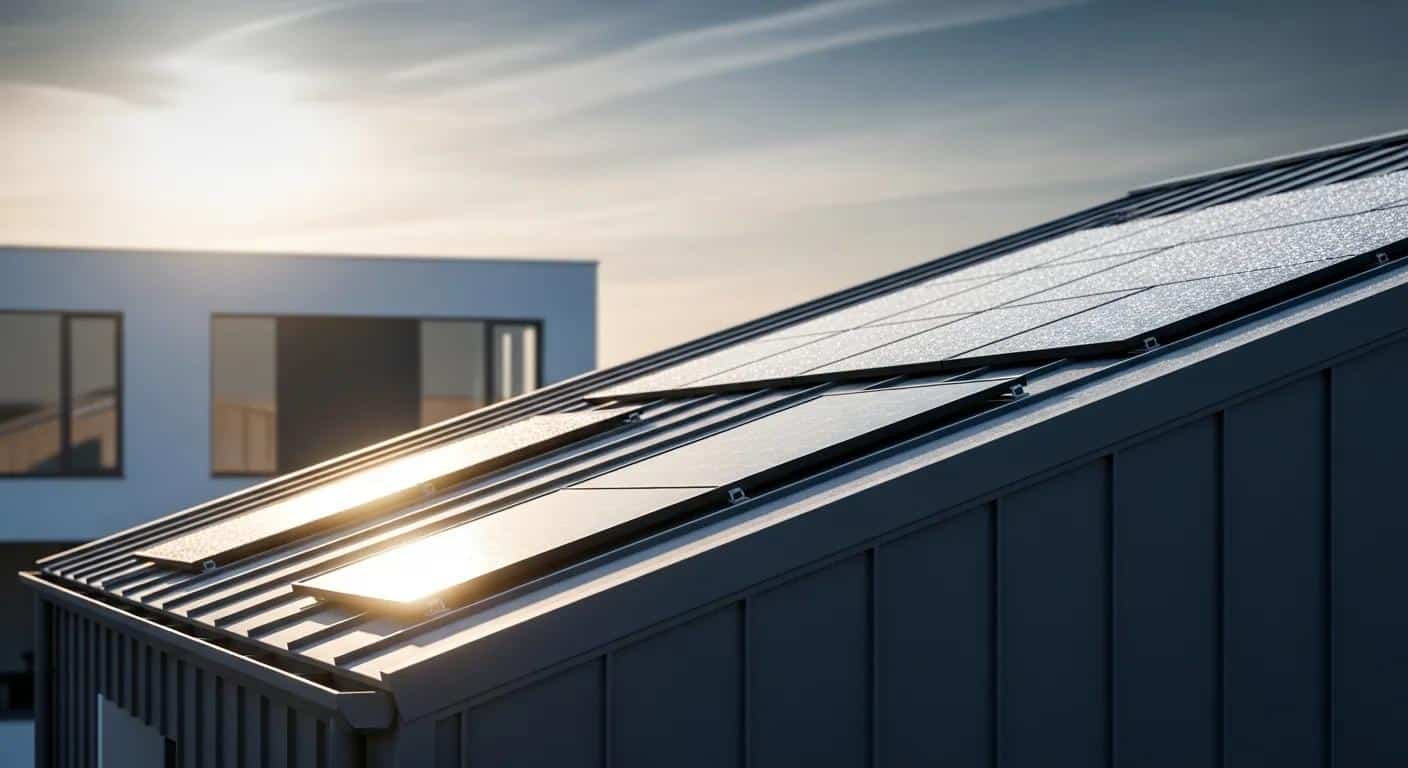
Choosing the right roofing material is a crucial decision for homeowners, as it significantly impacts energy efficiency, durability, and aesthetic appeal. This article explores the transformative potential of metal roofs compared to traditional options like asphalt shingles. Readers will learn about the key benefits of metal roofing, including its longevity and energy-saving properties, as well as how it can enhance the overall value of a home. Many homeowners face challenges in selecting a roofing material that balances cost, performance, and style. Metal roofing emerges as a compelling solution, offering a blend of durability and modern design. We will delve into the benefits of metal roofs, compare installation costs with traditional materials, outline the installation process, and discuss how local climate considerations in Central Iowa can influence your roofing choice.
What Are the Key Benefits of Metal Roofing Compared to Traditional Materials?
Metal roofing offers several advantages over traditional materials, making it an increasingly popular choice among homeowners and industry experts alike.
- Durability: Metal roofs are renowned for their exceptional longevity, often lasting 40-70 years, depending on the material. This durability is supported by extensive industry research and real-world performance data, demonstrating their resistance to extreme weather conditions, including high winds, heavy rain, and snow. Unlike asphalt shingles, which may need replacement every 15-30 years, metal roofs can withstand the test of time with minimal maintenance. Additionally, metal roofs resist cracking, shrinking, and eroding, common issues with other roofing materials. Their resistance to fire, mildew, insects, and rot further extends their lifespan and reduces repair costs.
- Energy Efficiency: Metal roofs reflect solar radiant heat, which can reduce cooling costs by 10-25%, as confirmed by multiple energy efficiency studies. This energy efficiency is particularly beneficial in warmer climates, where air conditioning costs can be significant. Homeowners can enjoy lower energy bills while contributing to a more sustainable environment. Moreover, metal roofs can be paired with insulation and reflective coatings to optimize thermal performance year-round. Their compatibility with solar panel installations further enhances energy savings and sustainability.
- Aesthetic Variety: Available in a wide range of colors, finishes, and styles, metal roofing can complement various architectural designs. Whether you prefer a sleek modern look or a more traditional appearance, metal roofs can enhance your home’s curb appeal. Options include standing seam panels, corrugated sheets, and metal shingles that mimic other materials like slate or tile. Customizable panel profiles and textures allow for seamless integration with diverse exterior materials.
- Environmental Impact: Metal roofing materials are often made from recycled content and are fully recyclable at the end of their lifespan, making them an eco-friendly choice that reduces landfill waste. Their long lifespan also means fewer replacements, reducing resource consumption over time. Leading environmental organizations recognize metal roofing as a sustainable building material. Additionally, some metal roofs qualify for tax credits or rebates related to energy efficiency improvements, supporting green building initiatives.
Done Right Roofing and Exteriors specializes in both metal roofs and traditional roofing materials, providing expert consultation backed by years of industry experience to help homeowners choose the best option for their needs.
How Does Metal Roofing Enhance Durability and Longevity?
Metal roofing enhances durability through its robust construction and premium materials. Common types include standing seam metal roofs and steel roofing systems, both engineered to resist corrosion and rust. The installation techniques used, such as interlocking panels and concealed fasteners, further contribute to their longevity by preventing water infiltration and wind uplift. Industry standards and certifications attest to the superior lifespan of metal roofs compared to traditional asphalt shingles, making metal roofs a wise investment. Additionally, metal roofs are resistant to fire, mildew, insects, and rot, which further extends their lifespan and reduces repair costs. Some metal roofs also feature advanced protective coatings that guard against fading, chalking, and corrosion, maintaining their appearance and structural integrity over decades. These coatings often include UV-resistant layers that help preserve color and reflectivity, enhancing both aesthetics and energy efficiency.
In What Ways Does Metal Roofing Improve Energy Efficiency?
Metal roofing improves energy efficiency primarily through its reflective properties. By reflecting sunlight, metal roofs help maintain cooler indoor temperatures, reducing the need for air conditioning. Studies from reputable energy research institutions indicate that homes with metal roofs can experience a reduction in cooling costs by up to 25%. This energy-saving feature not only benefits homeowners financially but also contributes to a reduction in overall energy consumption. Furthermore, many metal roofs can be coated with special reflective finishes that enhance their ability to reflect heat, increasing energy savings even in diverse climates. Additionally, metal roofs facilitate the installation of solar panels, further enhancing a home’s energy efficiency and sustainability. The integration of radiant barriers and insulation beneath metal roofing systems can also improve thermal performance during colder months, reducing heating costs.
How Do Metal Roof Installation Costs Compare to Asphalt Shingles?
| Roofing Type | Initial Cost | Lifespan | Long-term Savings |
|---|---|---|---|
| Metal Roof | $5.00 – $12.00 per square foot | 40-70 years | Lower maintenance and energy costs, potential insurance discounts, tax incentives |
| Asphalt Shingles | $1.50 – $5.50 per square foot | 15-30 years | Higher replacement frequency and maintenance costs |
When considering roofing options, installation costs are a significant factor. Metal roofs typically have higher initial costs compared to asphalt shingles, but they offer long-term savings that can offset this difference. While the upfront investment for metal roofing is greater, the long-term savings in maintenance and energy efficiency make it a cost-effective choice over time. Additionally, metal roofs often increase home insurance savings due to their durability and fire resistance. Some metal roofing systems also qualify for tax credits or rebates related to energy efficiency improvements, as recognized by government energy programs. These financial incentives can significantly reduce the effective cost of metal roof installation.
What Financing Options Are Available for Metal Roof Installation?
Homeowners considering metal roofing can explore various financing options to ease the initial financial burden. Many roofing contractors, including Done Right Roofing and Exteriors, offer financing plans that allow homeowners to pay for their new roof over time. Options may include low-interest loans, payment plans, or even special promotions that make the transition to metal roofing more affordable. Some local and federal programs may also offer incentives or tax credits for installing energy-efficient roofing materials. Additionally, energy-efficient upgrades like metal roofs can sometimes increase home equity, providing further financial benefits. Homeowners are encouraged to consult with financial advisors and roofing professionals to identify the best financing strategy tailored to their circumstances.
How Does Local Climate in Central Iowa Affect Roofing Costs?
The local climate in Central Iowa plays a crucial role in determining roofing costs. Factors such as temperature fluctuations, precipitation levels, and wind speeds can influence the choice of roofing materials. Metal roofs are particularly advantageous in this region due to their ability to withstand harsh weather conditions, including heavy snow and strong winds. Homeowners should consider these climate factors when selecting roofing materials to ensure optimal performance and longevity. Investing in a metal roof can reduce repair and replacement costs caused by weather-related damage common in Central Iowa. Moreover, metal roofs’ ability to shed snow efficiently reduces the risk of ice dams and structural stress during winter months. The durability of metal roofs also minimizes damage from hail, a frequent concern in the area, further protecting the home and reducing insurance claims.
What Is the Installation Process and Maintenance for Metal Roofs?
Understanding the installation process for metal roofs is essential for homeowners considering this option. The installation typically involves several key steps, including:
- Preparation: The existing roof may need to be removed, and the decking inspected for damage. In some cases, metal roofs can be installed over existing shingles, reducing labor and disposal costs.
- Installation of Underlayment: A protective underlayment is installed to provide an additional layer of moisture protection and improve energy efficiency.
- Metal Panel Installation: The metal panels are then installed, often using interlocking systems to enhance durability and prevent leaks. Fasteners are typically concealed to improve aesthetics and reduce corrosion risk.
Regular maintenance is also crucial for ensuring the longevity of metal roofs. Homeowners should schedule periodic inspections to check for any signs of wear or damage, and cleaning the roof to remove debris can help maintain its appearance and functionality. Proper maintenance can extend the roof’s lifespan and preserve its energy efficiency benefits. Additionally, maintaining sealants and coatings can prevent corrosion and prolong the roof’s protective qualities. Seasonal maintenance, especially after severe weather, is recommended to address any potential issues promptly.
What Are the Steps Involved in Professional Metal Roof Installation?
Professional installation of metal roofs involves a systematic approach to ensure quality and durability. Key steps include:
- Site Assessment: Evaluating the existing roof structure and determining the best installation method, including load capacity and ventilation needs.
- Material Selection: Choosing the appropriate metal type (such as steel, aluminum, copper, or zinc) and color based on the homeowner’s preferences and local climate.
- Installation: Following industry best practices to secure the metal panels and ensure proper sealing against the elements, including flashing and trim installation.
- Final Inspection: Conducting a thorough inspection to confirm the roof is installed correctly and meets all safety and quality standards, including waterproofing and wind resistance tests.
How Should Homeowners Maintain Metal Roofs for Optimal Performance?
To maintain optimal performance, homeowners should adhere to a few essential maintenance practices:
- Regular Inspections: Conduct inspections at least twice a year to identify any potential issues early, especially after severe weather events.
- Cleaning: Remove debris, leaves, and snow buildup to prevent moisture retention and corrosion. Use gentle cleaning methods to avoid damaging protective coatings.
- Addressing Repairs Promptly: Any signs of damage, such as loose panels, rust spots, or damaged sealants, should be addressed immediately to prevent further deterioration.
- Gutter Maintenance: Keep gutters clean and free-flowing to prevent water backup that can damage the roof edges and fascia.
- Re-coating: Periodically reapply protective coatings as recommended by the manufacturer to maintain reflectivity and corrosion resistance.
- Snow and Ice Management: In colder climates like Central Iowa, promptly removing excessive snow and ice buildup can prevent structural stress and ice dam formation.
How Does a Metal Roof Impact Home Value and Architectural Design?
Investing in a metal roof can significantly enhance a home’s value and architectural appeal. Metal roofs are often viewed as a premium roofing option by real estate professionals and appraisers, which can attract potential buyers and increase resale value.
- Increased Property Value: Homes with metal roofs typically command higher prices on the market due to their durability and energy efficiency. Many buyers are willing to pay a premium for a home with a long-lasting roof that requires less maintenance. Additionally, metal roofs can reduce insurance premiums, adding to the overall financial appeal.
- Architectural Compatibility: Metal roofing can complement various architectural styles, from modern to traditional. Its versatility allows homeowners to choose designs that enhance their home’s aesthetic appeal. Customizable panel profiles and finishes enable seamless integration with diverse exterior materials.
- Enhanced Curb Appeal: The sleek and polished look of metal roofs can boost a home’s curb appeal, making it stand out in the neighborhood and attracting more interest from potential buyers. Reflective finishes can also brighten the overall appearance of the home.
Can Metal Roofing Increase Property Value in Central Iowa?
In Central Iowa, the real estate market increasingly favors homes with energy-efficient features, including metal roofing. Studies show that homes with metal roofs can sell for 1-6% more than comparable homes with traditional roofing materials. This trend reflects a growing awareness of the benefits of energy efficiency and durability among homebuyers. Additionally, metal roofs’ reputation for low maintenance and weather resistance adds to their appeal in this region. The ability to withstand Central Iowa’s climate extremes without frequent repairs is a strong selling point. Furthermore, homes with metal roofs may qualify for green building certifications, which can further enhance marketability.
How Does Metal Roofing Complement Different Architectural Styles?
Metal roofing’s design versatility allows it to fit seamlessly with various architectural styles. Whether a home features a contemporary design or a classic look, metal roofs can be tailored to enhance the overall aesthetic. Options such as standing seam or corrugated panels can provide a modern touch, while traditional colors and finishes can maintain a classic appearance. Customizable finishes and textures also allow homeowners to match metal roofs with other exterior elements for a cohesive look. Additionally, metal roofing can be shaped and detailed to mimic other roofing materials, providing aesthetic flexibility without sacrificing performance. This adaptability makes metal roofing suitable for residential, commercial, and historic properties alike.
What Local Climate Considerations Should Influence Your Roofing Choice in Central Iowa?
When selecting roofing materials, local climate considerations are paramount. Central Iowa experiences a range of weather conditions, including heavy snowfall, high winds, and temperature fluctuations. These factors can significantly impact the performance and longevity of roofing materials.
- Weather Challenges: Metal roofs are designed to withstand extreme weather, making them an ideal choice for Central Iowa’s climate. Their resistance to wind uplift and snow accumulation ensures they remain intact during severe storms. Their fire resistance is also beneficial in dry conditions.
- Material Selection: Homeowners should consider materials that offer durability and energy efficiency. Metal roofs provide both, making them a smart choice for those looking to invest in a long-lasting roofing solution. Choosing corrosion-resistant metals like aluminum or coated steel can further enhance performance in this climate.
- Energy Savings Year-Round: The reflective properties of metal roofs help keep homes cooler in summer and can be paired with insulation to retain heat in winter, optimizing energy efficiency throughout the year. This dual benefit is particularly valuable in Central Iowa’s variable climate.
- Snow and Ice Management: Metal roofs’ smooth surfaces facilitate snow shedding, reducing ice dam risks and structural load during winter months.
- Hail Resistance: Metal roofs generally perform better against hail damage compared to asphalt shingles, an important consideration given Central Iowa’s hail frequency.
How Do Metal Roofs Perform in Central Iowa Weather Conditions?
Metal roofs excel in Central Iowa’s weather conditions due to their robust construction. They are designed to shed snow and resist wind uplift, reducing the risk of damage during winter storms. Additionally, their reflective properties help keep homes cooler in the summer, contributing to energy savings year-round. Their fire resistance and minimal maintenance requirements also make them well-suited for the region’s diverse climate challenges. Furthermore, metal roofs’ ability to expand and contract with temperature changes without damage helps prevent leaks and structural issues common in fluctuating climates. Their superior resistance to hail and ice damage further enhances their suitability for Central Iowa.
What Are the Advantages of Asphalt Shingles in Local Climate?
While metal roofs offer numerous benefits, asphalt shingles also have their advantages, particularly in terms of initial cost. They are generally less expensive to install, making them an attractive option for budget-conscious homeowners. Additionally, asphalt shingles perform well in moderate climates and can provide adequate protection against the elements. However, they may require more frequent replacement and maintenance in Central Iowa’s variable weather conditions. Asphalt shingles can also be more susceptible to damage from hail and wind, which are common in this region. Their ease of repair and wide availability make them a practical choice for some homeowners despite these limitations.
Explore Your Metal Roofing Options Today
Ready to upgrade your home with a durable, energy-efficient metal roof? Done Right Roofing and Exteriors offers expert guidance and professional installation services tailored to your needs. Discover how a metal roof can enhance your home’s value and comfort.
Contact Information
Done Right Roofing and Exteriors
3000 Scott Ave, Des Moines, IA 50317
Phone: (515) 420-1816
Email: newroofiowa@gmail.com
Opening Hours: 7am – 7pm